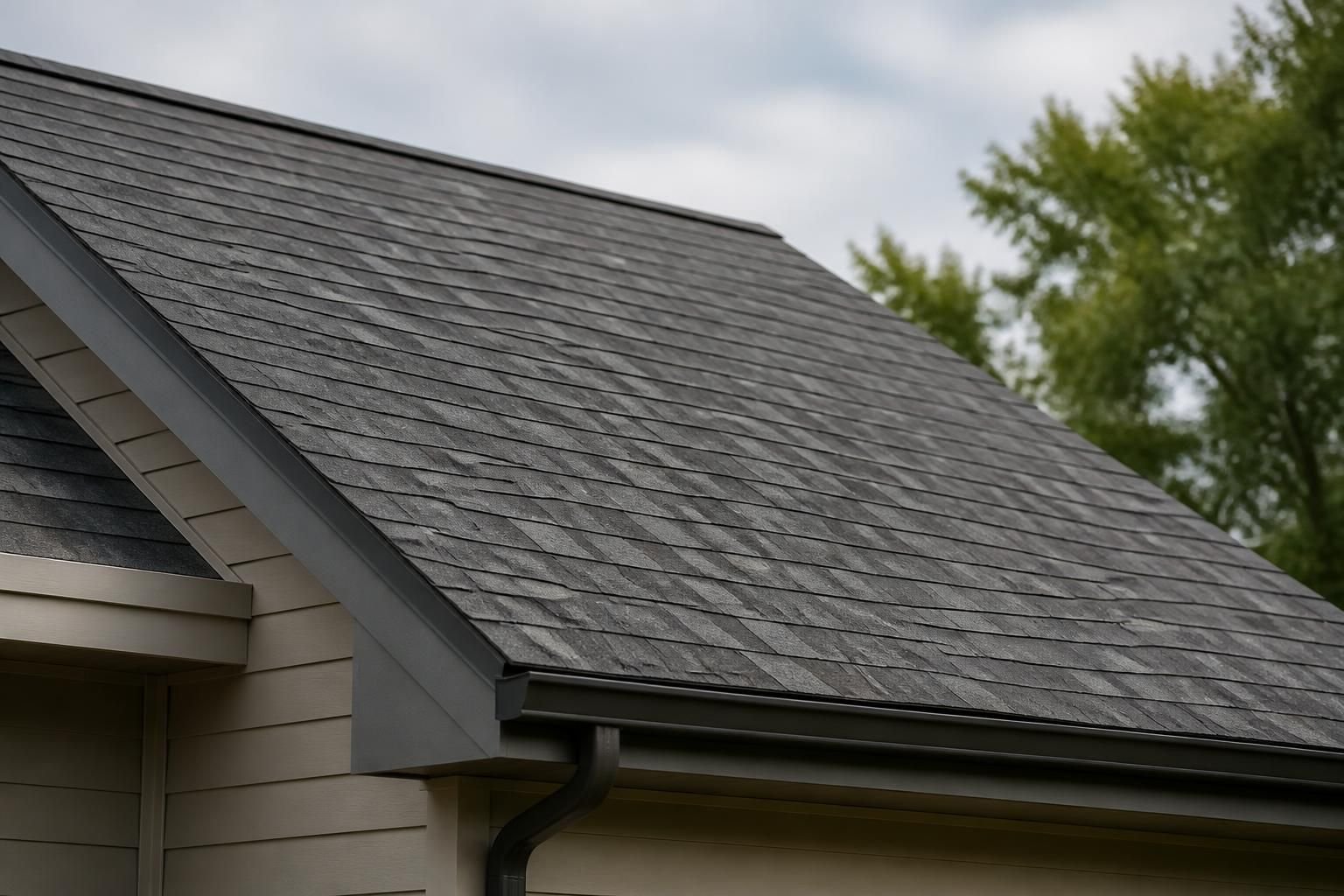
Missing shingles, water spots on ceilings, and lifted flashing are signs your roof may have taken storm damage. If you notice debris on the ground, new leaks after heavy rain, or shingles that look curled, cracked, or out of place, it is time to have the roof checked before the damage spreads.
Indian Trail Elite Roofing helps property owners across Indian Trail identify storm-related roof problems and make clear repair decisions. We inspect the roof, explain what changed, and restore damaged areas with repairs that match the condition of the roof and the type of storm impact it took.
Storm damage signs
Storm damage is not always obvious from the yard. Some roofs show clear loss of material, while others only reveal trouble once moisture reaches the decking or interior spaces. After heavy weather, look for the symptoms below and schedule an inspection if any of them are present.
- Shingles out of place - Missing, lifted, cracked, or creased shingles can expose the roof surface below.
- Granule loss - If you see dark patches on asphalt shingles or granules collecting near downspouts, the surface may have been damaged.
- Flashing movement - Metal around chimneys, vents, and roof edges may bend, loosen, or separate during high winds.
- Water stains - Brown marks on ceilings or walls can point to water entering through damaged roofing materials.
- Debris impact - Fallen branches or other impact marks may crack shingles, puncture softer roofing areas, or damage roof accessories.
Even when the roof looks intact from the ground, small openings can still let water into the structure. Quick attention helps limit the repair area and protects the rest of the roofing system.
Repair process
When you contact Indian Trail Elite Roofing about storm damage roof repair, we start with a detailed look at the visible trouble spots and the surrounding roof sections. Storm damage rarely affects just one loose shingle. It often extends to flashing, underlayment, vents, or nearby materials that were strained during the same event.
What we check
- Roof surface - We look for missing materials, dents, lifted edges, punctures, and stress marks.
- Transition points - Valleys, ridges, roof edges, and penetrations are checked for gaps or shifts.
- Water paths - We trace where moisture may have entered and how far it may have traveled.
- Matching concerns - We consider whether repairs can blend with the existing roof or whether broader work makes more sense.
After the inspection, we explain the damage clearly and outline the repair approach. That may include replacing damaged shingles, repairing flashing, fixing storm-related leaks, or addressing areas weakened by impact or wind.
Wind, hail, and rain
Storms affect roofs differently, and the repair method should fit the type of damage found. A roof that took wind uplift needs different attention than one marked by hail impact or prolonged rain exposure.
Wind damage
Strong wind can lift shingles, loosen ridge components, and open seams around edges and penetrations. Once a shingle lifts, the seal beneath it may no longer hold, leaving the roof vulnerable to repeated water entry.
Hail impact
Hail may leave dents, bruised shingles, or small fractures that are not obvious until the roof ages further. These impact marks can reduce the roof’s ability to shed water and may shorten the useful life of the affected areas.
Heavy rain
When rain finds an opening, it can travel along framing, insulation, and finishing materials before it becomes visible. A small roof opening can create a larger repair problem inside the property if it is left unaddressed.
Repair choices
Not every storm-damaged roof needs a full replacement. Many roofs can be restored with targeted repairs when the damage is limited to certain areas. We help you decide which path makes sense for the roof’s age, overall condition, and the extent of the storm impact.
Possible repair needs can include:
- Replacing missing or broken shingles
- Repairing flashing around chimneys, vents, and skylights
- Sealing storm-related leak points
- Fixing damaged roof edges or ridge areas
- Addressing punctures from fallen debris
- Restoring sections weakened by repeated water exposure
If the roof has widespread damage or has already been nearing the end of its service life, we will say so plainly and discuss the next step based on what the roof actually needs.
Residential and commercial roofs
Storm damage roof repair may be needed on houses, offices, retail properties, apartment buildings, warehouses, and other buildings across Indian Trail. The roof style, slope, material, and access points all affect how the work is planned.
For residential properties, we focus on stopping leaks, protecting interior spaces, and restoring the roof with minimal disruption to daily life. For commercial properties, we also pay close attention to access, scheduling, and the need to keep the building safe while repairs are underway.
Indian Trail Elite Roofing handles asphalt shingle roofing, metal roofing, and roof repair needs tied to storm impact, so the repair plan can fit the material already on the building.
After the storm
Once a storm passes, do not assume a roof is fine just because there is no active leak. Some storm damage starts small and only becomes visible after the next rain. A quick inspection can catch loose materials, punctures, and weakened flashing before they lead to more extensive repairs.
Until the roof is checked, it helps to keep an eye on:
- Fresh shingle debris on the ground
- Interior stains or damp drywall
- Changes around skylights or vents
- Sections of roof that look uneven or lifted
- New dripping sounds after rain
If you notice any of these signs, it is smart to have the roof examined sooner rather than later. Fast action can reduce secondary damage to ceilings, insulation, and framing materials.
What we repair
Storm events can damage more than the visible roof covering. They can affect the parts that help direct water away from the building and keep vulnerable seams closed. Indian Trail Elite Roofing repairs the roof areas commonly affected by storm conditions, including flashing repair, chimney flashing, skylight repairs, and roof ventilation improvements when those parts were damaged or displaced.
We also help with roof inspections after storms so property owners understand whether the problem is limited or more widespread. That information matters when you need to decide between isolated repairs and a broader roofing project.
Common questions
How do I know storm damage is serious?
Any storm damage that allows water inside, exposes underlayment, or leaves shingles missing should be treated as serious. Even smaller issues can spread if water keeps getting into the same area.
Can storm damage be hidden?
Yes. Some damage is easy to miss from the ground. Lifted shingles, bruised areas, and loose flashing may be visible only during a close inspection.
Should I check the roof right after bad weather?
Yes, if conditions are safe. A quick visual check from the ground can help you spot missing shingles, debris, or signs of leaks before the next rainfall.
What if the damage is only on one section?
Localized damage can often be repaired without replacing the whole roof. We assess the affected area and the surrounding materials to determine the right scope of work.
Can storm damage affect gutters too?
Yes. Wind, impact, and heavy runoff can loosen gutters, bend sections, or leave them holding debris. Gutter repair, gutter installation & replacement, and gutter cleaning may be needed alongside roof work.
Do you work outside Indian Trail?
Yes. We also serve Matthews, Mint Hill, Monroe, Stallings, Weddington, Waxhaw, Harrisburg, Pineville, Huntersville, Gastonia, Rock Hill, and Fort Mill.
Schedule an inspection
If your roof took a hit from wind, hail, or heavy rain, do not wait for the next leak to tell you what happened. Indian Trail Elite Roofing can inspect the roof, explain the damage, and recommend the next step for your property.
Our office is located at 6467 Old Monroe Rd, Indian Trail, NC 28079, and we are open Monday through Sunday from 8:00 AM to 8:00 PM. Call +19803642617 to schedule your storm damage roof repair service in Indian Trail.
 Google Reviews