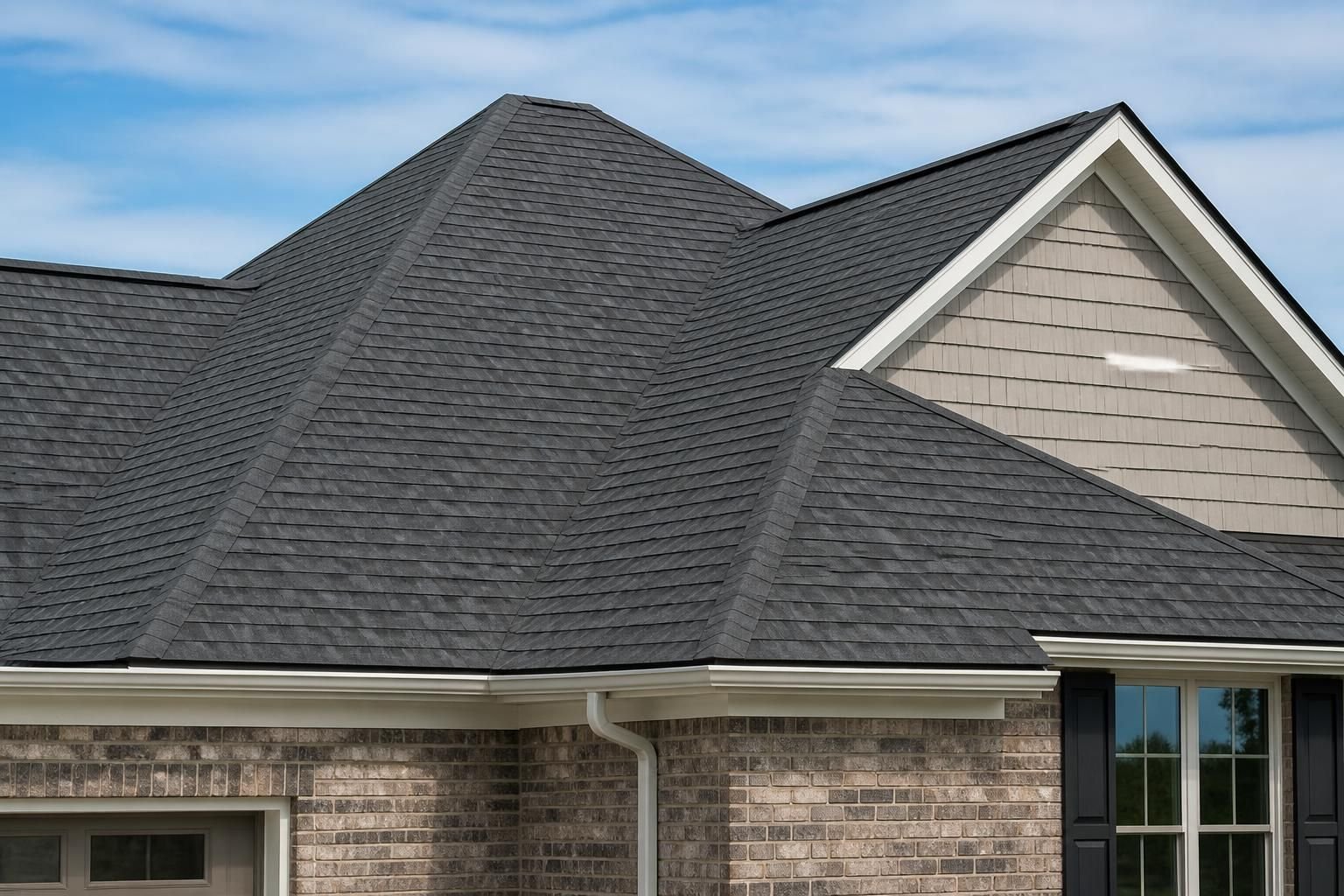
A missing shingle, a stain on the ceiling, or granules collecting near the downspout can be the first sign your roof needs attention. Small issues often stay hidden until rain finds a weak spot, and by then the damage can spread beyond the roof itself.
Indian Trail Elite Roofing provides roof inspection services for homeowners and businesses who want a clear look at their roof's condition before a small concern becomes a larger repair. We check the visible signs of wear, explain what we find, and help you understand the next step for your property.
When to schedule
A roof inspection is a smart choice when you notice changes, even if the roof still looks acceptable from the ground. Many roofing problems begin with details that are easy to miss until they start affecting the interior or surrounding areas of the property.
You should consider a roof inspection if you notice any of the following:
- Water stains on ceilings or upper walls
- Shingles that are curled, cracked, loose, or missing
- Dark patches, algae-like staining, or uneven roof color
- Granules collecting near gutters or on the ground
- Flashing that looks bent, lifted, or separated
- Signs of leaks around chimneys, skylights, or roof edges
- A roof that is nearing the end of its expected service life
If your property has recently dealt with strong wind, hail, or heavy rain, an inspection can help determine whether the roof still has hidden damage that needs attention.
What we check
Indian Trail Elite Roofing looks at the roof as a complete system, not just the visible surface. The goal is to identify wear, weak points, and areas where water could enter. That includes the roof covering, flashing, and key transition points that often take the most stress over time.
Surface condition
We examine shingles or metal panels for damage, aging, lifted sections, missing fasteners, and visible wear that may affect the roof's ability to shed water.
Edges and transitions
Roof valleys, ridges, penetrations, and perimeter areas are important because water moves through these sections quickly. We look for separation, deterioration, and signs of past patching.
Flashing and penetrations
Flashing around chimneys, skylights, vents, and walls can be a common source of leaks. We inspect these points for gaps, corrosion, movement, and sealant failure.
Interior clues
When needed, we also consider what the inside of the property tells us. Staining, peeling paint, and other moisture signs can help confirm where the roof may be letting water through.
How the visit works
We keep the process straightforward so you can get answers without confusion. An inspection should leave you with a better understanding of your roof's current condition and what actions make sense next.
- Initial review
We start by learning what you have noticed, such as leaks, stains, recent storm concerns, or aging materials.
- Roof assessment
We inspect the roof's visible condition, focusing on areas where damage or wear usually starts.
- Findings explained
We share what we saw, what it means, and whether the roof appears to need repair, replacement, or another form of attention.
- Next-step guidance
You receive practical direction based on the roof's age, condition, and any damage we identify.
That process helps you make decisions with less guesswork and a clearer view of the roof's needs.
Signs to watch
Some roofing problems are easy to spot, while others show up slowly. A roof inspection is often the difference between catching a small problem now and discovering water damage later.
- Loose shingles: A few lifted or missing shingles can let water reach the layers below.
- Damaged flashing: Bent or separated flashing can open a path for leaks near roof openings.
- Soft spots: Areas that feel uneven or weakened may point to deterioration beneath the surface.
- Staining: Discoloration on ceilings or attic surfaces often signals moisture movement.
- Excess debris: Leaves, branches, and buildup can trap moisture and hide damage.
- Visible aging: Worn materials may not fail all at once, but they can lose strength over time.
If any of these signs appear, an inspection can help determine how serious the condition is and what kind of service the roof may need.
Residential and commercial
Roof Inspection services matter for more than just one type of property. Homes, office buildings, retail spaces, warehouses, apartment complexes, and other commercial properties all depend on a roof that can stand up to daily exposure.
For residential properties, inspections often focus on leaks, aging shingles, flashing problems, and signs of wear around skylights, vents, and chimney areas. For commercial buildings, the concern is often broader because roof issues can affect tenants, inventory, or business operations. We adjust our inspection approach to match the roof type and the needs of the property.
Indian Trail Elite Roofing works with property owners who want a careful evaluation and a clear explanation, whether the roof covers a single home or a larger building.
After the inspection
Once the inspection is complete, the next move depends on what the roof shows. Some roofs may only need a minor repair, while others may be nearing a point where replacement makes more sense than continuing with repeated patch work.
Common outcomes after an inspection can include:
- A focused repair for a visible leak or damaged section
- A recommendation to replace worn materials before more damage spreads
- Further attention to flashing, skylights, or vent areas
- Roof maintenance work to address buildup and visible wear
A good inspection should make the situation easier to understand, not harder. We aim to give you the information you need to plan ahead with confidence.
Local roof concerns
Roofs across Indian Trail face a mix of weather exposure over time, and the condition of one home can differ greatly from the next. Age, prior repairs, material type, and the amount of direct exposure all affect how a roof holds up. That is why a close inspection matters more than guessing from the ground.
Whether your roof is made of asphalt shingles or metal, small signs of wear can point to bigger problems hidden beneath the surface. A careful evaluation helps you understand whether the roof is still serviceable or whether it is starting to fail at key points.
Common questions
How often should a roof be inspected?
That depends on the roof's age, material, and condition. Many property owners schedule an inspection when they notice changes, after harsh weather, or before making larger roofing decisions.
What if the roof looks fine from the yard?
A roof can appear acceptable from below while still having damage at flashing, valleys, or other hidden areas. An inspection checks the places most people cannot see from the ground.
Can an inspection help after a storm?
Yes. Storm-related wind or hail can loosen shingles, disturb flashing, or leave damage that is not obvious right away. An inspection helps identify those concerns early.
Will you explain what you find?
Yes. We go over the roof's condition, point out the main concerns, and explain which findings matter most so you can decide what to do next.
Do older roofs need more attention?
Older roofs often need closer review because wear can develop faster and repairs may become less effective over time. An inspection can show how much life the roof may still have left.
Is roof inspection useful before selling a property?
Yes. It can help identify roof concerns before listing, reduce surprises during the process, and give buyers and sellers a clearer picture of the property's condition.
Book your visit
If your roof has visible wear, a leak concern, or simply has not been checked in a while, a roof inspection is a practical next step. Indian Trail Elite Roofing serves property owners who want honest findings and a clear path forward.
To schedule your Roof Inspection, contact Indian Trail Elite Roofing at +19803642617 or visit us at 6467 Old Monroe Rd, Indian Trail, NC 28079. We are available Monday through Sunday from 8:00 AM to 8:00 PM.
 Google Reviews